Master Ashwini Mudra (Horse Gesture) — yoga's powerful pelvic floor and Muladhara Chakra practice. Complete guide with technique, pelvic floor benefits, Kundalini awakening context, and clinical research.
Awaken the root and the whole tree comes alive — sap rises, branches spread, fruit appears. Ashwini Mudra awakens the root. — Traditional teaching
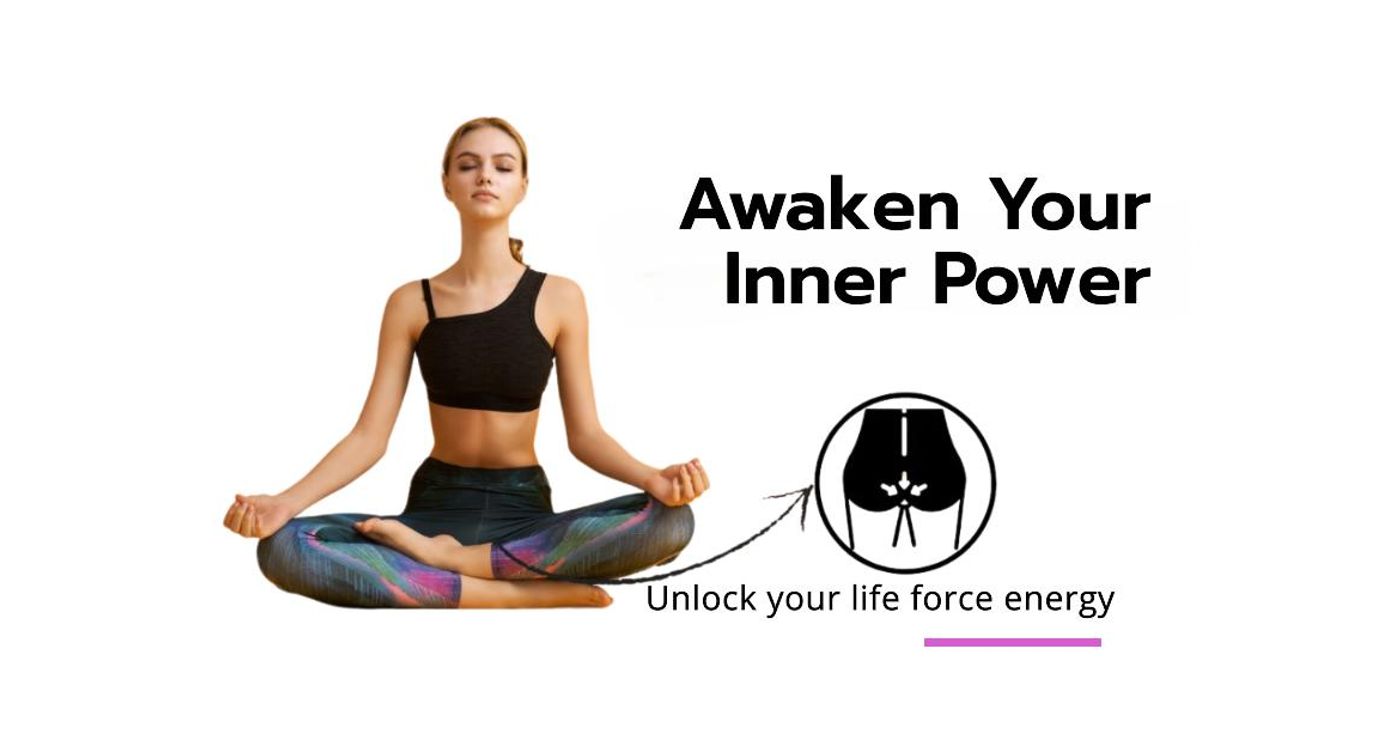
Ashwini Mudra — Horse Gesture Yoga — Ashwini = horse, Mudra = seal/gesture — the horse gesture, named for the rhythmic contraction resembling a horse's anal movements — is a beginner-level yoga posture that involves the rhythmic contraction and release of the anal sphincter muscles, drawing energy upward from the perineum to awaken Muladhara Chakra and strengthen the pelvic floor.
Ashwini Mudra is one of yoga's most accessible and powerful practices — performed invisibly, at any time, in any position. In the Tantric tradition it is described as a foundational technique for Kundalini awakening: the rhythmic contraction at the base of the spine stimulates the dormant Kundalini energy and begins the upward journey through the chakras. Modern medicine independently validates its benefits as the most effective pelvic floor training technique available.
How to Practise Ashwini Mudra — Horse Gesture Yoga: Step-by-Step Guide
Begin in any comfortable seated position — Siddhasana, Sukhasana, or Vajrasana. Follow these steps with mindful breath:
- Sit comfortably with the spine erect; close the eyes and take three deep breaths to settle
- On an inhalation, gently contract the anal sphincter muscles — squeeze upward and inward
- Hold the contraction for 2–3 seconds, feeling the energy rise from the base of the spine
- On the exhalation, release the contraction completely and consciously
- Repeat rhythmically for 20–30 contractions per session, gradually increasing to 50–100
- For the advanced version (with Kumbhaka): inhale, retain the breath, apply multiple rapid contractions, then exhale and release
- Complete the session with 5 minutes of quiet meditation, feeling the pranic energy at Muladhara
Physical Benefits of Ashwini Mudra — Horse Gesture Yoga
- Strengthens the pelvic floor muscles, preventing and addressing incontinence and prolapse
- Stimulates the pudendal nerve network, improving circulation in the pelvic region
- Awakens Muladhara Chakra, building the foundation for Kundalini practice
- Sublimates apana vayu (downward prana) upward, energising the entire system
- Tones the anal sphincter and surrounding tissues, improving digestive health
Mental & Emotional Benefits
- Ashwini Mudra is grounding and stabilising — brings scattered energy back to the foundation
- Regular practice reduces anxiety by activating the vagus nerve through pelvic floor engagement
- Builds the Muladhara quality of safety and security — the felt sense of being well-rooted in existence
Energetic Benefits: 🔴 Muladhara (Root) Chakra
Ashwini Mudra — Horse Gesture Yoga is closely associated with the Muladhara (Root) Chakra, the energy centre governing grounding, stability, and embodied safety. Regular practice activates and balances this chakra, bringing its qualities more fully into daily life. To deepen your understanding of this chakra and its influence on your wellbeing, explore our beautiful Muladhara Poster — a visual anchor for meditation and a reminder of the energy you are cultivating through your practice.
For the complete chakra map and a guide to balancing all seven energy centres, see our Yoga Asanas for the 7 Chakras guide and our Complete 7-Chakra Interactive Chart.
Modifications & Variations
- Can be practised in any position — seated, standing, lying down, or even during pranayama
- For beginners: start with slow, held contractions (5 seconds on, 5 seconds off) before moving to rapid rhythmic contractions
- Advanced: combine with Mula Bandha (sustained root lock) for deeper pranic effects
- Can be practised discreetly at any time during the day — commuting, at a desk, or waiting in a queue
Contraindications & Safety Guidelines
- Active haemorrhoids or anal fissures: avoid until healed
- Recent pelvic or abdominal surgery: await medical clearance
- Prostatitis (acute): avoid until inflammation resolves
- Generally safe for most people; consult a teacher if any discomfort arises
Science & Research
Pelvic floor training (equivalent to Ashwini Mudra) has been clinically validated across hundreds of studies for treatment and prevention of stress urinary incontinence, pelvic organ prolapse, and sexual dysfunction. A 2021 Cochrane Review confirmed pelvic floor exercises as the first-line treatment for urinary incontinence — with effects equivalent to surgery for mild to moderate cases.
Related Poses & Practice Resources
Deepen your practice with these related resources: Mula Bandha — Root Lock | Siddhasana — Meditation Seat | Pranayama & Pranic Healing
Support your yoga practice with our Mega Bundle Chakra Harmony Collection — all 7 chakra posters and guides in one beautiful set — and our Seven Chakra Affirmation Pack to reinforce the energetic shifts your practice creates.
Frequently Asked Questions
What is the difference between Ashwini Mudra and Mula Bandha?
Ashwini Mudra involves rhythmic contraction and release of the anal sphincter. Mula Bandha is a sustained contraction of the perineal muscles (slightly different muscle group, further forward) held during pranayama and meditation. Both awaken Muladhara; practise Ashwini Mudra first to build awareness and strength.
How many times a day should I practise Ashwini Mudra?
Classical texts recommend 100 contractions daily for maximum benefit. Beginners should start with 20–30 per session, once or twice daily, building gradually. The practice can be integrated into pranayama sessions or performed independently at any time.
The most powerful practices are often the quietest. Ashwini Mudra asks nothing of your environment — only your awareness. — Yoga wisdom
Written by
Editorial Team