
In the daily flow of life, where driving often becomes a mechanical task, Mindful Driving emerges as a transformative practice that elevates the act of driving to a state of active presenc
Quick Answer: Mindful driving means bringing steady attention to the road, the body, the breath, and the choices you make behind the wheel. It is not meditation with closed eyes or reduced alertness. It is clear, awake presence. You notice speed, space, tension, anger, distraction, and impatience early enough to respond safely instead of reacting automatically.
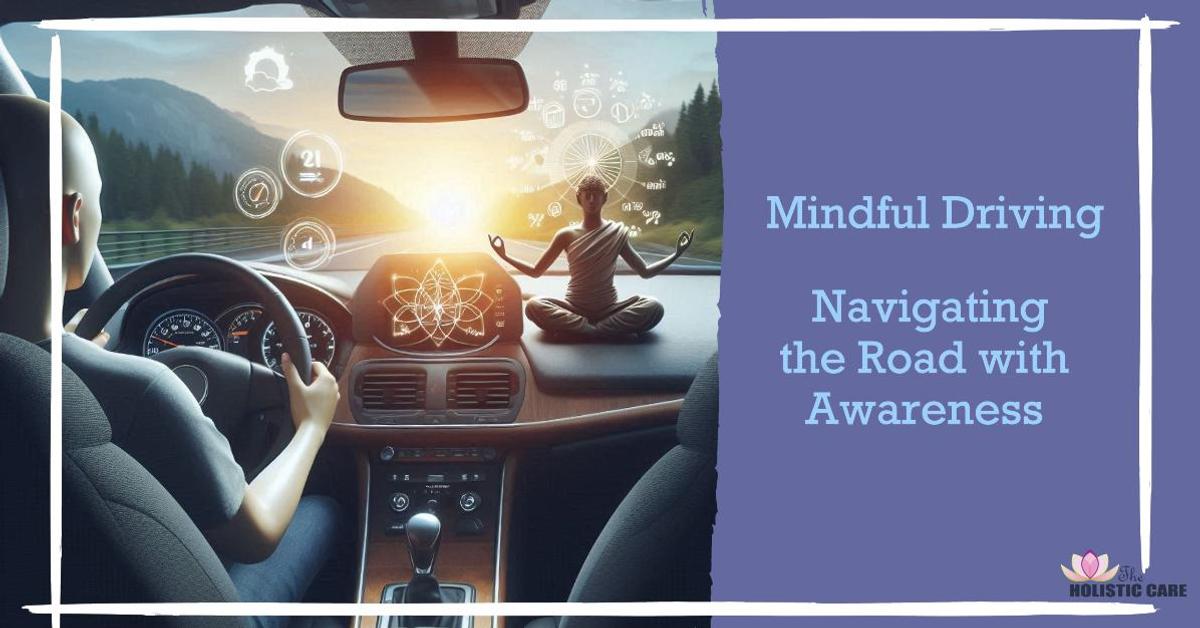
What Mindful Driving Really Means
Mindful driving is the practice of being fully present while driving. It begins with ordinary facts: hands on the wheel, eyes on the road, foot on the pedal, body in the seat, breath moving. The practice is not mystical. It is practical attention in a high responsibility situation.
Many people drive while half absorbed in planning, replaying conversations, checking messages, or reacting to other road users. The body may be controlling the vehicle, but the mind is often elsewhere. Mindful driving brings the mind back into the same place as the body.
This matters because driving is a chain of tiny decisions. Speed, lane position, braking distance, merging, tone of horn use, and response to delay all depend on attention. A distracted or emotionally charged driver makes different decisions from a settled driver.
Mindful driving also changes the emotional tone of travel. Traffic becomes less personal. A delay becomes a delay, not an insult. Another drivers mistake becomes information, not a battle. That shift protects safety and reduces stress.
Why This Practice Matters
Driving activates the nervous system in subtle ways. Even a familiar commute can create vigilance, impatience, and muscular bracing. Shoulders rise, jaw tightens, breath shortens, and the mind begins to scan for threat. Mindfulness helps you notice that activation before it controls behavior.
Reaction time depends on attention. When attention is split between the road and a phone, a worry, or an argument, the brain loses precious processing time. Mindful driving is therefore a safety practice as much as a calm practice.
The road also reveals emotional habits. Some people compete, some rush, some collapse into fear, and some become numb. Mindful driving gives you a way to observe those patterns without shame. Once seen, they can be softened.
A calmer driver also affects passengers. Children in the car learn how adults respond to stress. If they see breath, patience, and clear boundaries, they absorb a model of regulation that is stronger than any lecture about calm.
Step by Step Practice
Before Starting the Car
Pause before turning the key or pressing start. Feel the seat under the body, the hands, and the feet. Take one slow breath. Check mirrors and surroundings with full attention. This short pause marks the shift from rushing to responsible presence.
Set a simple intention: drive safely, arrive steadily, and let other road users be human. This intention takes five seconds, but it changes the way the journey begins.
During the Drive
Use the body as an attention anchor. Notice when the jaw tightens, shoulders lift, or hands grip the wheel. Each sign is a cue to soften. Relaxing the body does not reduce alertness. It improves it because unnecessary tension consumes attention.
Let the breath stay natural but visible to awareness. At red lights or traffic pauses, take one longer exhale. Do not close the eyes. Simply use the pause to reset the nervous system while staying visually aware.
When Irritation Appears
Name the state quietly: irritation is here, hurry is here, fear is here. Naming creates a small gap between the emotion and the action. In that gap, you can choose safer behavior.
If another driver cuts in or makes a mistake, widen the following distance. The mindful response is not to prove a point. It is to reduce risk. Safety is the practice.
Using This Practice With Children and Families
With children, mindful driving begins with the adults tone. A parent who narrates safe choices calmly teaches more than a parent who lectures after becoming angry. You can say, we are leaving space, we are waiting, we are choosing safety.
If a child becomes restless in the car, use simple sensory anchors: find three blue things, feel your back on the seat, listen for the quietest sound, or take three soft breaths. These are not distractions from safety for the driver; they are passenger practices led only when driving conditions allow.
Older children can learn that travel time is not wasted time. It can be a daily laboratory for patience, observation, and emotional regulation. This is especially useful for children who experience anxiety during school drop offs or long journeys.
Children learn mindfulness best when the practice is short, concrete, and modelled by an adult. A parent, teacher, or caregiver who practices alongside the child gives the child a nervous system cue that says this is safe, ordinary, and worth trying. Instruction alone is much weaker than co-regulation.
Avoid presenting the practice as a punishment, correction, or emergency tool only. If a child meets it only during stress, the practice may become associated with distress. Use it at neutral times as well: before homework, after school, before a journey, at the start of class, or during a calm family transition.
Keep the language practical. Instead of saying be mindful, name the specific action: feel your feet, soften your shoulders, notice one breath, name the emotion, or listen before replying. Specific cues create real behavior change. Vague instructions create performance pressure.
Common Mistakes and Better Cues
Do not confuse mindful driving with slow driving in every situation. Mindfulness means appropriate speed, not passive speed. Sometimes safe driving requires decisive movement, clear merging, and firm boundaries.
Do not practice breath techniques that make you dizzy, sleepy, or inwardly absorbed while driving. Keep the eyes open and the attention broad. Use only small resets such as one longer exhale at stops or a relaxed grip on the wheel.
Do not use mindfulness to tolerate unsafe conditions. If you are too tired, emotionally flooded, or impaired, the mindful choice is not to drive. Awareness includes honest limits.
A common mistake in mindfulness teaching is asking for calm too quickly. Calm is a result, not an instruction. The first step is noticing what is already happening. Once the body feels seen rather than controlled, calm often arrives naturally.
Another mistake is turning every practice into a success or failure. A wandering mind, a strong emotion, or a distracted child is not failure. It is the material of practice. The useful question is not did it work, but what did we notice and what changed by even one percent.
A Simple Guided Practice Script
Begin by arriving exactly where you are. Feel the contact points of the body: feet on the floor, legs on the chair, hands resting, or back supported. Let the eyes stay open or gently soften. There is no need to look mindful. The practice begins with honesty.
Name the present moment in simple language. You might say: this is a busy mind, this is a tired body, this is excitement, this is worry, or this is a normal human moment. Naming reduces confusion. It also reminds the mind that experience can be observed.
Now choose one anchor. The anchor may be breath, sound, feet, hands, posture, or the visual field. Stay with that anchor for three breaths or thirty seconds. When attention moves away, notice that movement and return. The return is not a correction. It is the exercise.
Next, widen awareness. Include the body as a whole. Include the room. Include other people if they are present. Let awareness become broad enough that the original difficulty is not the only thing in view. This wider field is often where steadiness begins.
Finally, ask for the next wise step. Keep the answer small. It may be drink water, speak kindly, wait, continue working, take a break, ask for help, or stop for now. Mindfulness becomes useful when awareness turns into a compassionate and practical next action.
For children, shorten the script. Try: feel your feet, notice your breath, look around the room, and choose one helpful thing. The shorter version protects attention and gives the child a repeatable pattern.
How to Know the Practice Is Working
The first sign is not always calm. Often the first sign is earlier noticing. You catch tension sooner, hear your tone sooner, see distraction sooner, or recognize overload sooner. Earlier noticing is a major form of progress because it gives you more choice.
Another sign is quicker recovery. Strong emotions may still arise, but they do not last as long or create as much damage. You return to steadiness, repair a conversation, or change course with less delay.
A third sign is more accurate self knowledge. You begin to understand which situations drain you, which practices help, which boundaries matter, and which stories repeat in the mind. This kind of knowledge is quiet but powerful.
For families and classrooms, progress may appear as shared language. People begin saying pause, reset, breathe, check the body, or try again. A shared mindful vocabulary makes regulation easier because no one has to invent the tool during stress.
The practice is also working when people become kinder about starting again. Mindfulness grows through many small returns, not one perfect session. Each return teaches the mind that awareness is available in ordinary life.
A useful measure is whether the practice changes one ordinary moment. Did a reply become gentler, did a child recover sooner, did a parent pause before shouting, did a student return to the page, or did the body soften before sleep. These small changes are the real evidence of integration.
Progress should feel human. Some days the practice will be clear. Some days it will be messy, resistant, or forgotten. The point is to keep the doorway open. Returning after forgetting is not a weakness in mindfulness practice. It is the exact movement being trained.
Let the practice be simple enough to repeat on busy days. A practice that survives ordinary life is more valuable than one that works only in ideal conditions.
A Seven Day Practice Plan
Day one is for observation only. Try the practice for one minute and notice what is easy, what is awkward, and where resistance appears. Do not try to improve anything yet. The first day simply introduces the body and mind to the pattern.
Day two adds a clear cue. Choose one repeatable moment such as entering the car, opening a laptop, sitting for homework, or beginning dinner. Attach the practice to that cue so it becomes part of the rhythm of the day rather than another task to remember.
Day three adds language. Give the practice a short phrase that anyone in the family or classroom can use without embarrassment. Good cues include one steady breath, notice the body, pause before reply, or reset and return. The phrase should feel simple enough to use in public.
Day four extends the practice to three minutes. Do not add complexity. The goal is to learn that repetition deepens the effect. In mindfulness, the nervous system trusts what is familiar. A simple practice repeated often is more powerful than a sophisticated practice done rarely.
Day five brings the practice into a mildly stressful moment. Choose a low-stakes challenge, not a crisis. This might be traffic, a difficult email, a sibling disagreement, a screen transition, or pre-test nerves. Use the same cue and notice whether the practice creates even a little more space.
Day six invites reflection. Ask: what did we notice, what helped, what felt forced, and what should we adjust. Reflection turns mindfulness into learning rather than obedience. Children especially benefit from being asked what they experienced instead of being told what they should have experienced.
Day seven keeps what works and drops what does not. A practice becomes sustainable when it respects real life. If morning is chaotic, move it to evening. If three minutes is too long, use one minute. If silence is uncomfortable, use a guided voice, counting, or a sensory anchor.
When to Use Support
Mindfulness is helpful, but it is not a substitute for professional care when distress is severe, persistent, or unsafe. If anxiety, low mood, sleep disruption, aggression, shutdown, panic, or school refusal is affecting daily life, additional support from a qualified mental health professional may be needed.
It is also wise to adapt mindfulness for trauma-sensitive contexts. Some people feel worse when asked to close the eyes, focus on the breath, or turn inward too quickly. In those cases, use eyes-open practice, grounding through the feet, orientation to the room, or movement before stillness. Safety comes before technique.
The best use of mindfulness is not to force a person into calm. It is to build enough awareness that the next helpful choice becomes possible. Sometimes that choice is breathing. Sometimes it is rest, conversation, boundaries, professional support, or leaving an unsafe situation.
Featured Programme
I AM: The Heart of Being
Nondual mindfulness for ages 13 to 18, supporting attention, emotional steadiness, and self awareness.
Explore the CourseFrequently Asked Questions
Is mindful driving safe?
Yes, when practiced correctly. Mindful driving increases attention to the road and body while keeping the eyes open and alert. It should never involve closed eyes, trance states, or complex breath holds.
Can I use music while driving mindfully?
Yes. The question is whether the music supports attention or scatters it. If volume, lyrics, or mood make you less aware of the road, choose silence or calmer audio.
What is the fastest reset in traffic?
Relax the jaw, lower the shoulders, feel both hands on the wheel, and extend one exhale. This takes less than ten seconds and reduces reactive tension.
How can families practice this?
Use one shared cue such as safe and steady. Repeat it before leaving, during traffic, and after arriving. A simple family cue builds a calm travel culture.
Free Guide for Parents & Educators
Mini Mindfulness Masters
Simple practices to help children slow down, feel calm, and become more present. A free download, straight to your inbox.
No spam, ever. Unsubscribe at any time.
Written by
Editorial Team


