Explore Energy Medicine : Universal Life Force Chi Ki Prana with a clearer holistic overview, practical takeaways, and thoughtful next steps for deeper learning.
Quick Answer: Prana in yoga, chi or qi in Chinese medicine, and ki in Japanese healing traditions all describe the same fundamental concept: a vital force or life energy that animates living organisms and flows through specific channels or pathways in the body. When this energy flows freely and is well-distributed, health is maintained. When it stagnates, depletes, or becomes blocked, illness follows. These traditions differ in detail but share a common framework.
Prana, Chi, and Ki: One Concept, Many Names
The concept of a vital life force underlying physical health appears independently across cultures with striking structural similarity. In the Indian yogic tradition, this force is called prana. It flows through subtle channels called nadis, of which the Yoga Nadis text describes 72,000 in the body. The three most important are Ida (left channel, lunar energy), Pingala (right channel, solar energy), and Sushumna (central channel, the path of Kundalini). The five primary forms of prana, called prana vayu, apana vayu, samana vayu, udana vayu, and vyana vayu, govern specific bodily functions including respiration, elimination, digestion, speech, and circulation respectively.
In Chinese medicine, this force is called qi (or chi). It flows through fourteen primary meridians that correspond to specific organ systems. The quality of qi, whether it is abundant, deficient, stagnant, or excess, determines the health of each organ. Acupuncture, acupressure, herbal medicine, and qigong are all organised around restoring proper qi flow. The framework is approximately 2,500 years old and is the foundation of East Asian medicine still practised by hundreds of millions of people.
In the Japanese tradition, the same force is called ki. Reiki, meaning "universal life force energy," is a Japanese healing system developed in the early twentieth century by Mikao Usui, which channels ki through the practitioner's hands to the recipient. Aikido, the Japanese martial art, takes its name from the same root: ai (harmony), ki (life force), do (way). The life force is understood as something that can be cultivated, directed, and shared.
The Biofield: A Scientific Framework
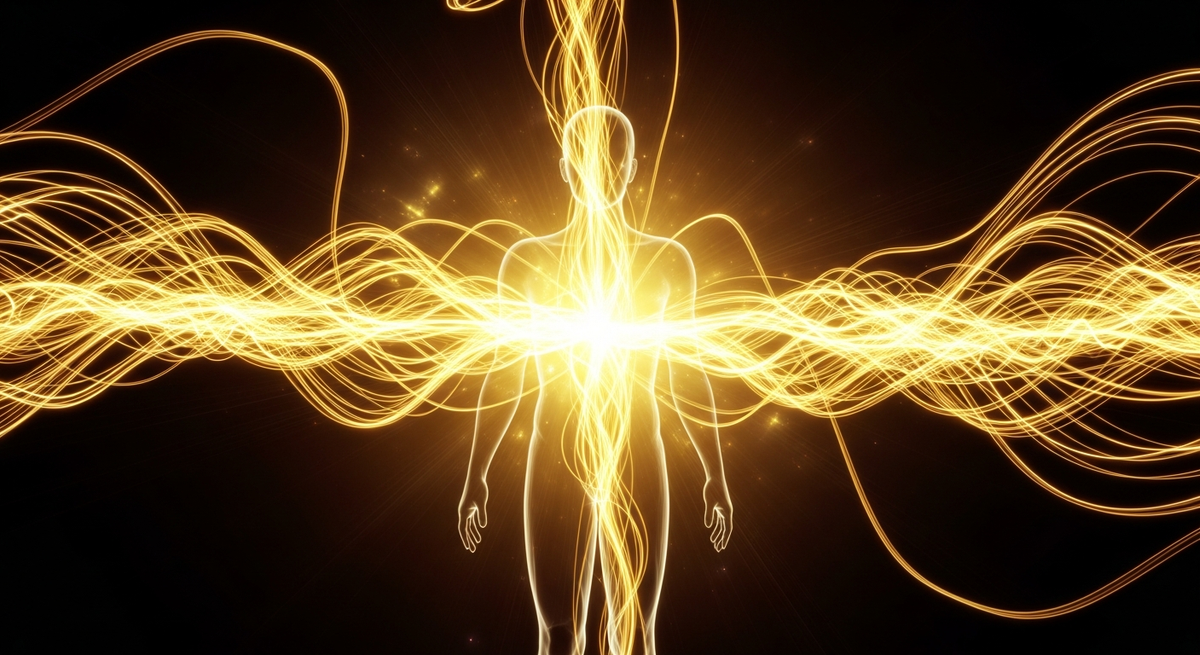
The biofield is a term proposed by researchers at the US National Institutes of Health in 1994 to describe the field of energy and information that surrounds and permeates the living body. It encompasses electromagnetic fields generated by the heart, brain, and other organs, as well as subtler fields that existing instrumentation cannot yet fully characterise. The biofield framework provides a way for researchers to study energy medicine practices without requiring full acceptance of traditional metaphysical frameworks.
Energy Practices Across Traditions: What They Share
Pranayama is the yogic science of breath regulation. The breath is understood as the most accessible interface with prana. By regulating the breath in specific ways, including rate, depth, ratio of inhalation to exhalation, and the use of retention (kumbhaka), the practitioner influences the flow of prana through the nadis. Different pranayama techniques have different intended effects: Nadi Shodhana (alternate nostril breathing) balances Ida and Pingala; Kapalabhati (skull-shining breath) clears energetic stagnation; Bhramari (humming bee breath) calms the nervous system and supports inward absorption.
Acupuncture uses fine needles inserted at specific points along the meridians to adjust qi flow: tonifying where there is deficiency, dispersing where there is excess or stagnation, moving where there is blockage. Clinical research has produced consistent evidence for its effectiveness in pain management, nausea, headache, and anxiety, even though the mechanism remains the subject of ongoing debate in biomedical science.
Reiki involves light or near-body touch by a practitioner trained to act as a channel for ki. Its primary research base comes from studies on cancer patients, surgical recovery, and stress reduction. A 2019 systematic review in the Journal of Evidence-Based Integrative Medicine found Reiki significantly more effective than sham treatment for reducing pain, anxiety, and depression. Qigong, a Chinese practice combining breath, movement, and intention to cultivate qi, has a larger evidence base including randomised controlled trials showing benefit for blood pressure, bone density, balance, and psychological wellbeing in older adults.
What Research Says About Biofield Therapies
Research on energy medicine is methodologically complex. The main challenge is designing a credible placebo control: it is difficult to reliably blind either practitioner or recipient to whether a real or sham treatment is being administered. Despite this, the body of evidence has grown substantially since 2000. A 2015 meta-analysis of biofield therapies including Reiki, therapeutic touch, and healing touch found moderate to strong evidence for reduction of pain and anxiety in clinical populations.
Energy Medicine and Holistic Wellbeing
The life force framework, whether called prana, chi, or ki, is not primarily a treatment modality. It is a description of the conditions under which a human being is fully alive. In each tradition, health is not simply the absence of diagnosed disease but a positive quality of vitality, clarity, and harmonious function. This orientation toward what supports flourishing, rather than what suppresses symptoms, aligns closely with contemporary positive psychology and with the definition of health offered by the World Health Organization: a state of complete physical, mental, and social wellbeing, not merely the absence of disease.
Practices that work with the life force, pranayama, qigong, Reiki, acupuncture, yoga, and meditation, share a common quality: they require the practitioner to attend to internal experience with sustained focus. This quality of attention, regardless of the specific theoretical framework, may itself be part of what makes these practices effective. The act of turning attention inward, slowing down, and noticing what is present creates conditions for the nervous system to shift from sympathetic activation toward rest-and-repair states. This is not a mystical claim. It is a description of basic psychophysiology.
The convergence of ancient life force traditions with contemporary neuroscience and biofield research is not complete, and significant questions remain open. What is clear is that the practices work for many people, that their effects are measurable in multiple domains, and that dismissing them because they do not yet fit neatly into biomedical mechanisms misunderstands how medical knowledge develops. The most reasonable position is to engage with these practices with an open and critical mind, noting what happens in direct experience, and to place that alongside whatever the current evidence base can offer.
Featured Programme
The I AM Programme
A structured course in nondual mindfulness that works with the deepest currents of the inner life
Explore the ProgrammeTeaching Note from Shital Chute
Energy medicine is a topic where I try to be especially careful in how we frame things for readers, since concepts like chi, ki, and prana come from long, rich traditions but are not something modern medical science currently measures or explains in physical terms. What I want people encountering this for the first time to understand is that these ideas describe a felt sense of vitality or life force that shows up across many cultures under different names, and practices built around them, like gentle breathwork or mindful movement, are generally offered as complementary wellness tools, not as replacements for medical care. I always encourage readers to keep any ongoing medical treatment in place and to talk to their doctor about any serious health concern, while still exploring these traditions for the sense of calm and body awareness many people report finding in them.
Frequently Asked Questions
What is energy medicine, exactly?
Energy medicine is a broad term for practices based on the idea of a vital life force, called prana in yogic tradition, chi in Chinese tradition, and ki in Japanese tradition, that is said to flow through the body and support health and vitality. Practices associated with this idea include things like acupuncture, Reiki, qigong, and certain yoga and breathing techniques.
Is there scientific proof that chi, ki, or prana actually exist?
These concepts come from traditional systems of medicine and philosophy and are not measurable using current mainstream scientific instruments, so they remain outside what conventional biomedical science currently recognizes as physical. Some associated practices, like acupuncture or certain breathing and movement techniques, have been studied for effects such as relaxation or pain perception, though results and explanations vary by study.
Can energy medicine replace medical treatment?
No. Energy medicine practices are generally considered complementary approaches meant to support general wellbeing, not substitutes for diagnosis or treatment of medical conditions. Anyone with an ongoing health condition should continue working with their doctor and treat these practices as an addition to, not a replacement for, medical care.
Is it safe to try practices like Reiki or qigong?
Most gentle energy medicine practices, such as light touch therapies or slow movement and breathing exercises, are considered low risk for the general population. As with any wellness practice, it is worth mentioning any relevant health conditions to a practitioner beforehand and consulting your doctor if you have concerns, particularly for more physically demanding practices.
Why do so many different cultures have a similar concept of life force?
Many traditional systems, including Ayurveda, Traditional Chinese Medicine, and yogic philosophy, independently developed the idea of an underlying vital energy that influences health, even though the specific names and details differ. This shared theme is often seen as reflecting a common human interest in the connection between breath, vitality, and wellbeing, even though modern science has not established a single physical mechanism behind it.
Free Guide for Parents & Educators
Mini Mindfulness Masters
Simple practices to help children slow down, feel calm, and become more present. A free download, straight to your inbox.
No spam, ever. Unsubscribe at any time.

Written by
Shital ChuteMarketing Lead, The Holistic Care | Mindfulness & Behavioral Health Educator
Shital Chute leads Marketing at The Holistic Care, where she shapes how the platform's mindfulness courses, books and free resources reach the families, schools and workplaces who need them. Alongside this role, she is a passionate advocate and educator for mindfulness and behavioral health, drawing on that perspective to help shape content that is genuinely useful, not just promotional.
Her work at The Holistic Care sits at the intersection of communication and care: translating research-backed mindfulness practices into clear, practical guidance for parents, teachers and adults navigating everyday stress.


