An accessible introduction to Iyengar Yoga, alignment-based practice, and the lasting impact of Light on Yoga.
Iyengar Yoga: Precision, Props and the Legacy of B.K.S. Iyengar
B.K.S. Iyengar (1918-2014) is widely regarded as one of the most influential figures in the global spread of yoga. A student of T. Krishnamacharya in Mysore from the age of fifteen, Iyengar developed his own system over decades of intensive practice and teaching, centred on a single principle: alignment is not a secondary concern in yoga, it is the primary one. Get the body into the correct relationship with itself and with gravity, and the benefits follow. Miss the alignment, and you work hard to poor effect.
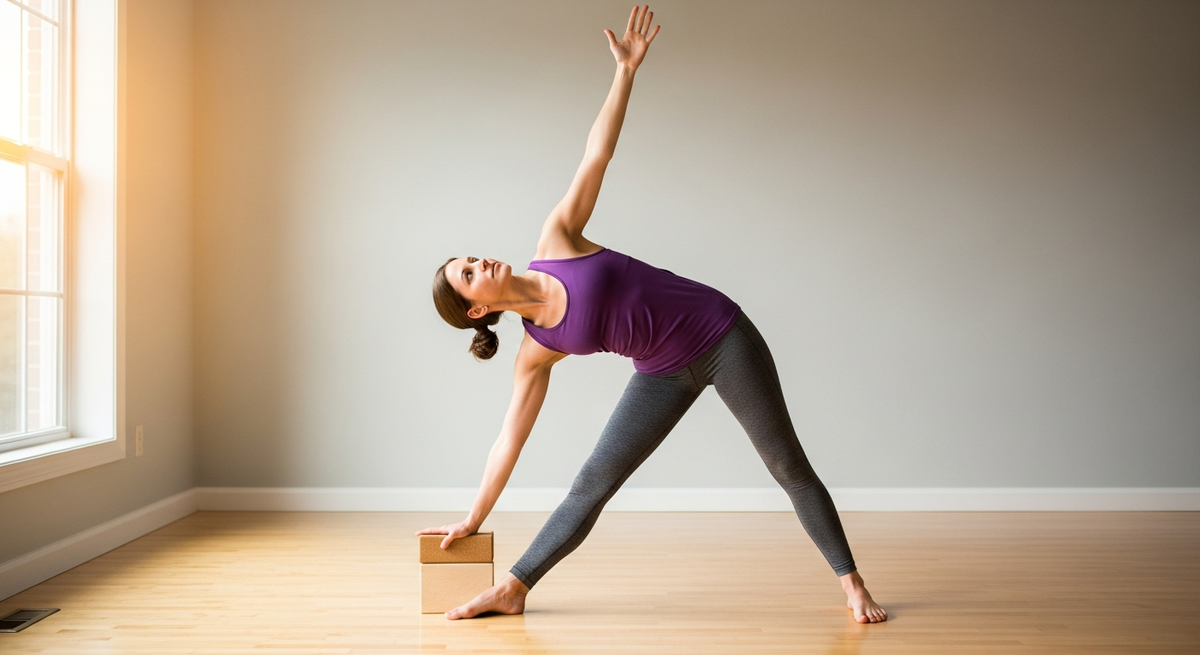
The style that bears his name is now taught in hundreds of certified institutes worldwide, with a teacher certification system more rigorous than almost any other yoga tradition. Iyengar yoga classes are recognisable by the abundance of props on the walls and floors: wooden blocks, foam blocks, belts, bolsters, blankets, ropes and chairs, each serving to bring the correct form of a posture within reach of the student regardless of their current flexibility or strength.
Yoga Traditions and Practices
Light on Yoga: The Foundational Text
Published in 1966, Light on Yoga remains one of the most referenced books in yoga education. It documents over 200 asanas and 14 pranayama techniques, with photographs of Iyengar demonstrating each posture and detailed written instructions. Foreword by Yehudi Menuhin, the violinist who became one of Iyengar most famous students, describes the book as a complete guide to the ancient art of body culture.
What sets Light on Yoga apart from most yoga manuals is its specificity. The instructions do not merely say stretch the hamstrings: they describe which part of the hamstring, at what angle, with what rotation of the thigh bone, and in what relationship to the pelvis. This level of detail is characteristic of the Iyengar approach and is what makes the teacher training system so demanding: teachers must understand anatomy and alignment at a depth that most physical educators would recognise as professional.
Props: Making Precision Accessible
Blocks: Bringing the Floor Closer
Wooden or foam blocks are the most commonly used props in Iyengar yoga. Placed under the hands in standing postures, they allow the spine to stay long when the floor is not yet within reach. In seated postures, a block under the sitting bones can tilt the pelvis into a more neutral position, enabling the practitioner to sit upright without straining the lower back. The block does not make the pose easier in the sense of less beneficial: it makes the correct alignment accessible, which is where the benefit actually lives.
Belts: Extending the Reach
Yoga belts allow the practitioner to create the connection between body parts that the current range of motion does not yet permit without strain. A belt around the feet in Paschimottanasana (seated forward bend) lets the practitioner maintain a long spine even when the hamstrings limit forward fold. The belt stands in for the flexibility that practice will eventually develop, without the distortion caused by forcing the body beyond its current capacity.
Bolsters and Chairs: Restorative Applications
Supported postures using bolsters and chairs are a hallmark of the restorative applications of Iyengar yoga, developed significantly by Geeta Iyengar and particularly relevant for therapeutic work, recovery from illness, or practice during pregnancy. A supported Setu Bandha Sarvangasana (Bridge Pose) over a bolster, for example, can provide the benefits of a gentle backbend and inversion without any muscular effort, allowing the nervous system to release.
Featured Programme
The I AM Programme
A complete adult mindfulness course integrating awareness, breath and the inquiry into who you are.
Learn MoreWho Iyengar Yoga Suits
Beginners: Foundation Building
The emphasis on alignment and the use of props to make correct form accessible makes Iyengar yoga particularly valuable for beginners. The detailed instruction means that students learn from the outset what they are actually trying to achieve in each posture, rather than simply imitating a shape. This understanding transfers to other yoga styles and to daily movement patterns.
Those with Injuries: Therapeutic Applications
Iyengar yoga has a strong tradition of therapeutic application. The ability to modify any posture through props means that most conditions, including scoliosis, joint replacements, chronic pain and post-surgical recovery, can be accommodated. Many physiotherapists and osteopaths refer patients to certified Iyengar teachers precisely because the specificity of the approach allows careful adaptation.
Seniors: Sustainable Long-Term Practice
The slow pace, detailed instruction and extensive use of props make Iyengar yoga one of the most sustainable long-term yoga practices for older adults. The restorative postures in particular provide genuine physiological benefits without the demands of a more physically vigorous practice. B.K.S. Iyengar himself practised daily into his nineties and demonstrated in his person the longevity that a well-structured asana practice can support.
Further Yoga and Mindfulness Resources
Teacher Certification: The Iyengar Standard
The Iyengar teacher certification system is among the most demanding in yoga. Candidates must practise for a minimum number of years before they can even sit the introductory assessment, which involves demonstrating postures, sequencing knowledge and teaching skill in front of a panel of senior teachers. Higher levels of certification require further years of practice and increasingly detailed examination of anatomy, technique and therapeutic application.
This rigour means that a certified Iyengar teacher anywhere in the world has met a consistent standard, which is not true of many yoga teacher training programmes that can be completed in a matter of weeks. For students who want the certainty of working with a teacher who has been thoroughly assessed, finding a certified Iyengar instructor is a reliable option.
Teaching Note from Shital Chute
What drew me to Iyengar yoga while working on this article was how practical it is compared to how yoga styles are often marketed. B.K.S. Iyengar built a method around props, blocks, straps, bolsters, specifically so that precise alignment would be available to people whose bodies did not already bend easily, which is most people, including me. I think that detail gets lost in how yoga is often presented online, as something for the naturally flexible. Readers researching Iyengar yoga for the first time are often looking for reassurance that a style exists that will meet their actual body rather than an idealized one, and I think that reassurance is genuinely warranted here. Light on Yoga remains a serious reference text precisely because it treats alignment as something to be taught carefully, not performed impressively.
Frequently Asked Questions
What makes Iyengar yoga different from other styles?
Iyengar yoga, developed by B.K.S. Iyengar, is known for its strong emphasis on precise alignment and its use of props such as blocks, straps, bolsters, and chairs to help practitioners access poses safely and correctly. Poses are often held longer than in some other styles to allow for careful adjustment.
Do I need to be flexible to start Iyengar yoga?
No, Iyengar yoga was specifically designed with props to make postures accessible to people who are not naturally flexible, injured, or new to movement practice generally. This makes it a common recommendation for beginners and for people returning to practice after injury.
What is Light on Yoga?
Light on Yoga is B.K.S. Iyengar's influential book, first published in 1966, which details the philosophy, postures, and breathing practices of his method with extensive photographs and written instruction. It remains a widely referenced text in yoga teacher training programs.
Is Iyengar yoga a good choice for injury recovery or older beginners?
Many people use Iyengar yoga for exactly this reason, since its methodical pacing and reliance on props allow modifications for limited mobility or past injuries. It is still worth mentioning any injury or condition to your teacher before class so they can suggest appropriate modifications.
How long are poses typically held in Iyengar yoga?
Poses are often held for longer periods than in many other yoga styles, sometimes a minute or more, to give practitioners time to refine alignment with a teacher's guidance. This slower pace is part of what makes the style especially useful for learning correct form.
Free Guide for Parents & Educators
Mini Mindfulness Masters
Simple practices to help children slow down, feel calm, and become more present. A free download, straight to your inbox.
No spam, ever. Unsubscribe at any time.

Written by
Shital ChuteMarketing Lead, The Holistic Care | Mindfulness & Behavioral Health Educator
Shital Chute leads Marketing at The Holistic Care, where she shapes how the platform's mindfulness courses, books and free resources reach the families, schools and workplaces who need them. Alongside this role, she is a passionate advocate and educator for mindfulness and behavioral health, drawing on that perspective to help shape content that is genuinely useful, not just promotional.
Her work at The Holistic Care sits at the intersection of communication and care: translating research-backed mindfulness practices into clear, practical guidance for parents, teachers and adults navigating everyday stress.


