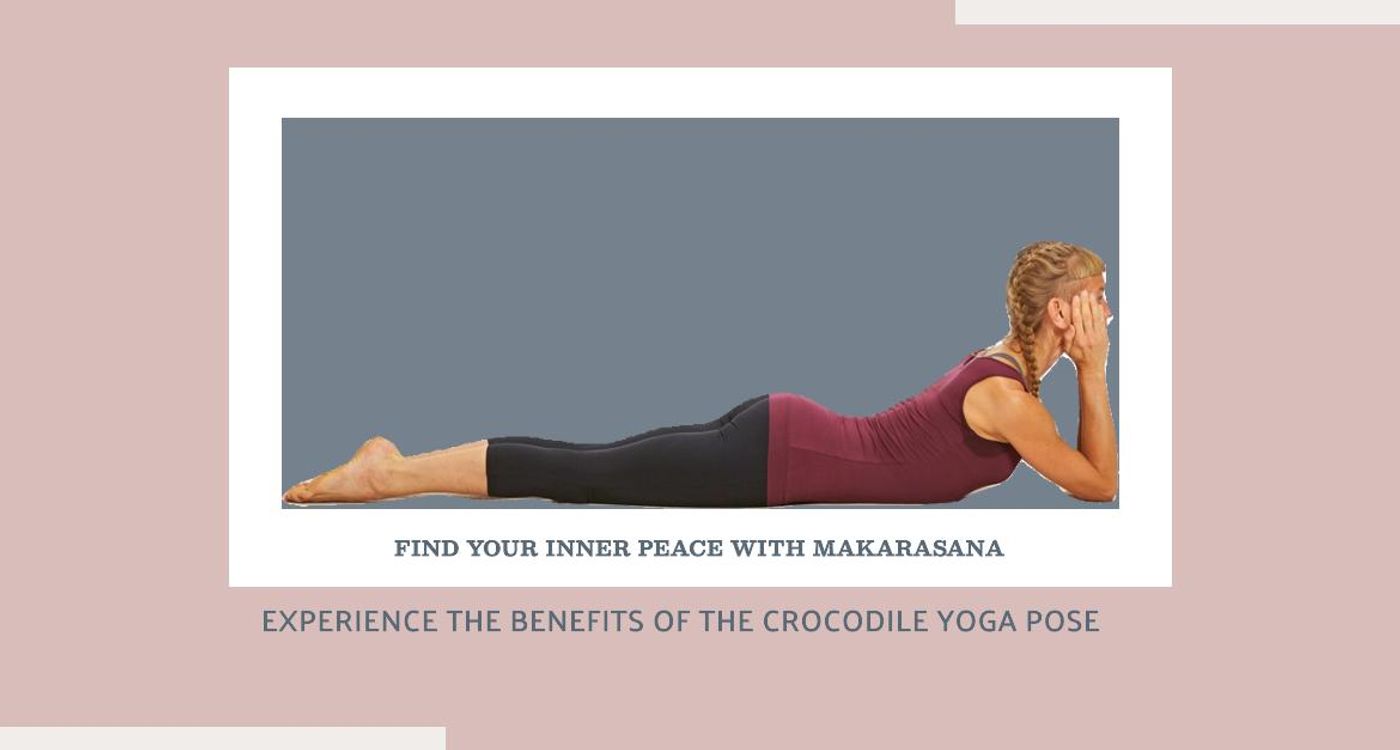
Makarasana (Crocodile Pose) is the ultimate prone relaxation posture that releases the lower back, deepens diaphragmatic breathing, and grounds the Root Chakra.
Quick Answer: Makarasana, or Crocodile Pose, is a prone relaxation posture where the body rests on the belly with the chest supported by folded arms. It releases tension in the lower back, supports diaphragmatic breathing, and calms the nervous system. It is often used between stronger backbends or as a simple resting pose.
What Is Makarasana
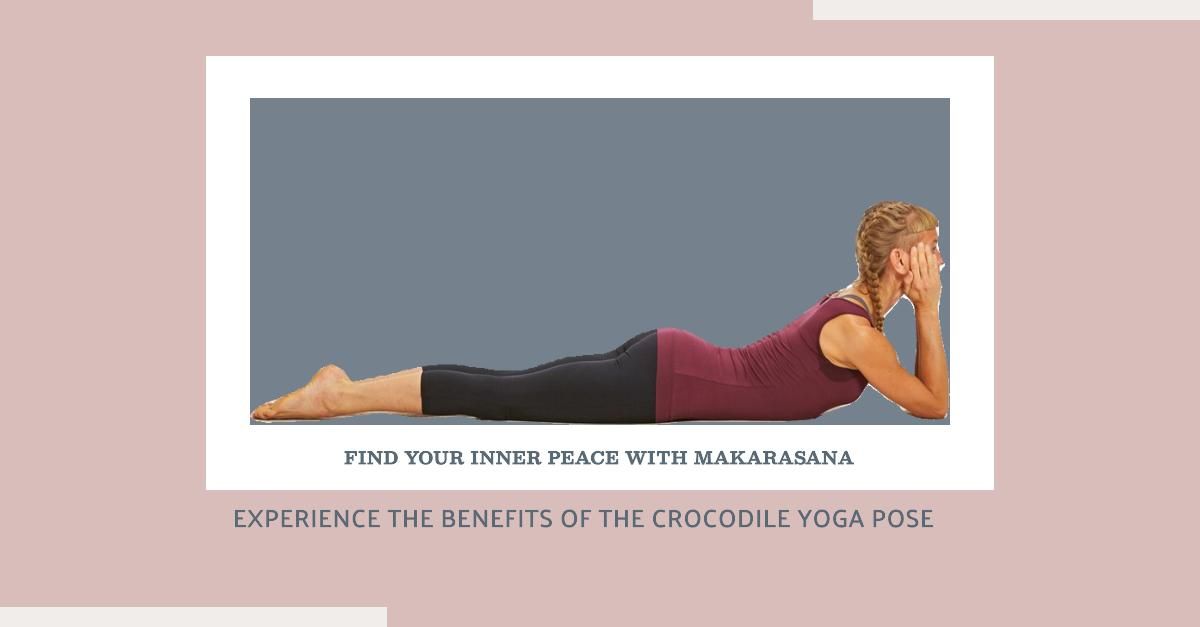
Makarasana means Crocodile Pose. The posture looks simple: lie on the belly, fold the arms, and rest the head. Its simplicity is the point. It allows the back muscles to soften and the breath to become deep and natural.
Because the abdomen rests on the floor, each inhale creates gentle pressure against the ground. This makes diaphragmatic breathing easier to feel. For many students, Makarasana is one of the clearest ways to learn belly breathing.
In a balanced yoga class, Makarasana is more than a pause. It is a recovery pose, a breathing lesson, and a way to observe the effects of practice without immediately moving into the next instruction. The pose asks the body to digest effort, settle the spine, and return to ordinary breathing.
Crocodile Pose is especially useful after prone backbends because it gives the lumbar spine time to release. It can also be practiced by itself when a student needs quiet grounding but does not feel comfortable lying on the back in Savasana.
How to Practice Crocodile Pose
Set the Body
Lie on the belly with the legs comfortably apart. Turn the toes outward if that relaxes the lower back. Fold the arms in front of you and rest the forehead or cheek on the arms. Choose the head position that keeps the neck easy.
Relax the Back
Let the pelvis become heavy. Soften the buttocks, thighs, shoulders, and jaw. Notice the back of the body rising and falling with the breath. Stay for one to five minutes.
If the lower ribs press strongly into the floor, widen the arms or place a folded blanket under the upper chest. The support should make breathing easier, not create a stiff shape. If the lower back feels pinched, move the legs wider or place a thin blanket under the pelvis.
Use It Between Poses
After Cobra, Locust, Bow, or other prone backbends, rest in Makarasana until the breath becomes quiet again. It helps integrate the effort and prevents rushing from one strong posture to the next.
When using it between poses, stay long enough for the breath to change. A useful sign is that the exhale becomes unforced and the abdomen moves softly against the floor. This may take three breaths in a short class or several minutes in a slower therapeutic sequence.
Breathing Cues in Makarasana
The most important practice in Crocodile Pose is not the outer shape but the breath. Because the belly meets the ground, the student can feel the inhale spread into the abdomen, side ribs, and lower back. This feedback is direct and honest. If the breath is shallow, the floor shows it. If the breath is forced, the body tightens around it.
Begin by noticing the natural rhythm. Do not immediately try to breathe deeply. After a few rounds, invite the inhale to widen the lower ribs and invite the exhale to drain tension from the back body. The breath should feel like a wave pressing gently into the earth and then receding.
For students who are anxious or overstimulated, counting can help. Inhale for a comfortable count of three or four, then exhale for a count of four or five. Keep the numbers easy. The goal is not performance breathing. The goal is a breath that tells the nervous system it is safe to soften.
Benefits of Makarasana
Makarasana relaxes the lower back, shoulders, neck, abdomen, and nervous system. It encourages slower breathing and can be useful for people who feel restless in Savasana. The prone position gives a clear physical anchor for breath awareness.
The pose may also help students distinguish effort from release. After a strong posture, Crocodile Pose shows what the body is still holding. That noticing is part of yoga.
For posture practice, Makarasana balances the tendency to overwork. Many students tighten the buttocks, jaw, and eyes when attempting backbends. Resting in Crocodile Pose afterward reveals these habits and gives the body a neutral place to reset.
For breath practice, the pose supports diaphragmatic movement without needing complicated instruction. The belly, ribs, and back all receive physical feedback from the floor. This makes it easier to understand that breathing is three-dimensional, not only a front-body movement.
For stress care, Makarasana can be grounding because the front of the body is supported. Some people feel exposed when lying face up. Prone rest can feel more contained, which is why it is often helpful in gentle yoga, trauma-aware teaching, and private home practice.
Common Mistakes
The first mistake is treating Makarasana as a collapse. The pose is restful, but it still needs intelligent placement. If the head is turned sharply for too long, the neck may feel irritated. If the legs are squeezed together, the lower back may stay tense. Adjust the shape until the whole back can spread.
The second mistake is trying to impose a dramatic breath. Forcing the belly into the floor can create pressure and agitation. Let the breath become fuller by removing tension, not by pushing. A relaxed breath often becomes deeper on its own.
The third mistake is leaving the pose too quickly. In a fast class, students often move before the nervous system has registered rest. Even a small pause after effort can change the tone of the entire practice.
Modifications and Safety
If the lower back feels compressed, place a thin folded blanket under the pelvis. If the neck is uncomfortable, stack the forearms higher or turn the head to the other side halfway through. Avoid the pose if lying on the belly is not suitable during pregnancy or after abdominal surgery.
Crocodile Pose should feel restful. If it does not, adjust the arm height, leg width, or support until the body can let go.
Students with reflux, acute abdominal pain, recent surgery, rib injury, or breathing distress should avoid pressure on the abdomen unless cleared by a qualified professional. People with shoulder discomfort can place one hand over the other and rest the forehead higher, or use a small pillow under the chest.
During pregnancy, prone lying is generally avoided once the belly begins to grow. A side-lying rest with a bolster between the knees can offer a similar feeling of containment without pressure on the abdomen.
Helpful Next Steps
How to Include It in a Sequence
Use Makarasana after each strong prone backbend, after a core sequence, or before a guided relaxation. In a beginner class, it can appear several times so students learn that rest is part of practice rather than an interruption.
A simple home sequence is three rounds of Cobra, each followed by Crocodile Pose, then two minutes of quiet belly breathing. This creates a rhythm of effort and release. It strengthens awareness without overwhelming the back.
Teachers can also use Makarasana as an assessment pose. Watch whether the breath moves easily, whether one side of the back lifts more than the other, and whether the student can rest without fidgeting. These observations can guide the next posture more accurately than a fixed sequence plan.
Frequently Asked Questions
Is Makarasana good for lower back pain
It may help some people with mild lower back tension because it encourages relaxation and softer breathing. It should not be used as a cure for back pain. Sharp pain, radiating pain, numbness, weakness, or pain after injury needs medical assessment.
How long should I stay in Crocodile Pose
For class practice, stay for five to ten breaths between stronger poses. For relaxation or breath training, stay for one to five minutes. Come out sooner if the neck, abdomen, or lower back becomes uncomfortable.
Can beginners practice Makarasana
Yes. It is one of the most accessible prone yoga postures when lying on the belly is appropriate. Beginners should use enough arm height and leg width to make the pose genuinely restful.
Featured Programme
Yoga Nidra MP3 Guided Practice
A guided deep rest practice for releasing tension and restoring the nervous system.
Begin TonightWritten by
Editorial Team