
A sturdy chair, an ordinary room and a minute to look around can be enough to begin. You can choose a different entry point whenever you need to.
“Sit down and take a deep breath” is the kind of advice that can sound simple until you are the person expected to do it. You sit. You listen for the breath. Now the breath feels like one more thing you might be doing incorrectly. You open your eyes to check how much time has passed. It has been eleven seconds.
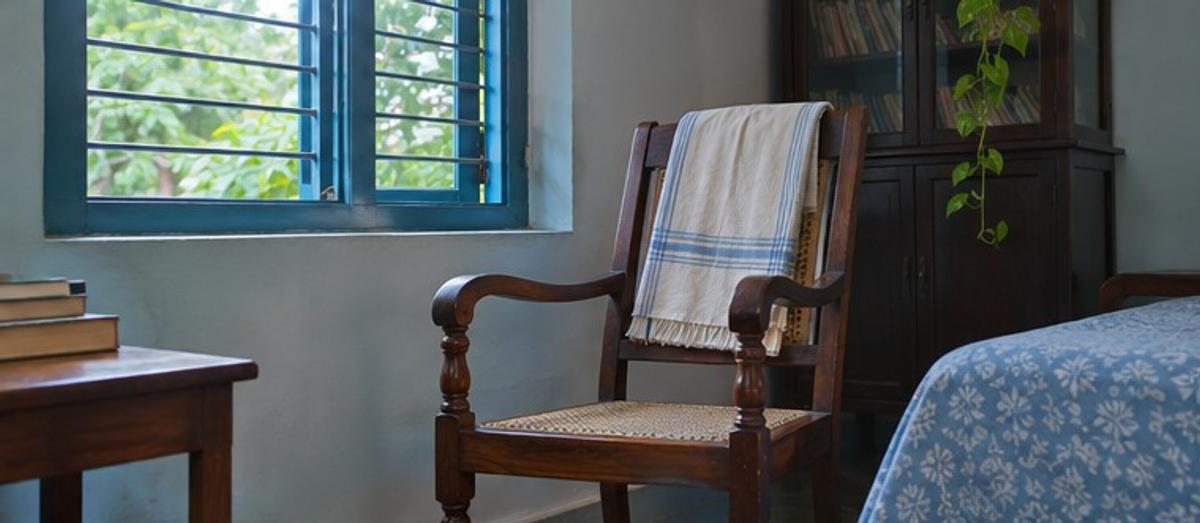
I would give that person a different starting point. Sit if you want to, or stand somewhere safe. Look out of a window. See what you can notice about an ordinary object without having to close your eyes or change how you breathe. There is a blue gate, and the paint has worn away near the latch. A car passes. For a moment there is the gate and the sound and the ordinary business of being in a room.
Still the Storm is an adult course from The Holistic Care for people interested in learning how mindfulness might fit alongside other ways of responding to anxiety. If you are curious about it and uncertain about practice, this is a guide to beginning gently. The goal is to find out what you can use. You have a right to stop or choose something different.
On a restless day, look around before you look inward
Mindfulness often gets illustrated by a person with closed eyes. That can be a perfectly good way to practise. It can also make a beginner think that moving, looking about or changing their position is an admission of failure. A look around a room can be enough to begin.
Try it in a familiar place at a time that feels manageable. Let your eyes find an object you know: a table leg, your shoe, the patterned edge of a cushion. Give it your attention long enough to notice one feature. Then turn your attention to whatever you were doing. This example deliberately asks very little. A practice you can leave easily is a practice you may feel more comfortable trying again.
If you prefer movement, choose a quiet place where you can walk safely and give full attention to your surroundings. Notice one ordinary thing on the way, such as the shade under a tree. An indoor option is to walk to another room to get a glass of water and notice the weight of the glass. Do what is comfortable and accessible. You can use sight, sound or contact with a familiar object according to what suits you.
Start with something you could repeat tomorrow
If you are trying a course, it can be tempting to choose a big block of time on a Sunday and finish several lessons. The videos may be short, but an unfamiliar practice sometimes needs space around it. Start with a lesson and a small trial. Leave time to see how you feel afterward. Come back the next day if the trial gives you a reason to return.
Picture the first few days like this. First, look at an introductory video and decide which exercise you are willing to try. On a quiet day, give that exercise a brief go, keeping your eyes open if you prefer. When you are finished, write one unembellished sentence: “The window was easier to look at than following the breath.” Keep that sentence, then let the rest of the day belong to the rest of the day.
If you try it again, ask whether there is anything you would change. Perhaps a recorded guide spoke more quickly than you liked. Perhaps you want a practice without inward attention. The result can tell you what to try next. It is also information if today is not a good day for it.
If someone else is nearby
It can help to decide what support you would prefer before you try a new practice. “I’m going to try this for a couple of minutes. If I get uncomfortable, I’d like to stop and make tea with you.” Nobody needs to coach you unless you want them to. They might simply be in the next room.
If the course is for someone close to you, let them choose whether and when to try it. “Would you like company or a little space?” gives them two concrete options. Asking “Are you calm yet?” can turn a difficult experience into something they feel they have to perform for you. Someone may prefer to talk about the day, go outside with a friend, or ask a clinician what would be appropriate.
For ongoing anxiety, a family member or friend can offer practical help without becoming the person who is supposed to fix it. An offer to help book an appointment or keep someone company on the way may do more than another suggestion about meditation.
Keep the practice available on an easy day
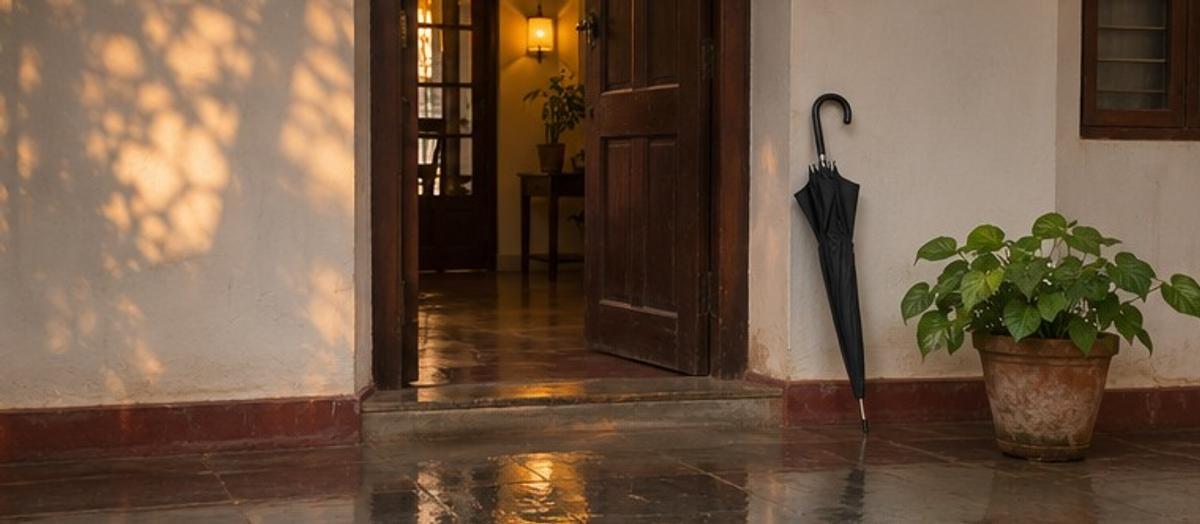
It is natural to remember mindfulness only on a difficult day. Then you have to learn a new exercise at the same time as getting through the situation in front of you. I would try it once while waiting for a friend or sitting by a window on a fairly unremarkable afternoon. That way you can put it down and take it up again without expecting much from it.
You can make a short list of options, if lists are useful to you. Perhaps you prefer looking around a room, holding a familiar object or walking a short distance in a safe place. Add a person you would feel comfortable talking to. If you already have care or a plan agreed with a clinician, follow that plan. The list is simply a reminder of the choices you can make on ordinary days.
What the course looks like
Still the Storm is organised into seven teaching modules, and the catalogue estimates twelve to sixteen hours including practice and reflection. The curriculum includes videos on recognising anxiety, working with thoughts, body awareness, grounding and relaxation. It also includes education about panic, guidance on seeking therapy, and optional lines of inquiry you can consider at your own pace. Its workbook, reference cards and tracker are there if writing helps you remember what you tried.
You might begin with a preview and ask two questions: can I follow the language, and can I imagine using one practice on a reasonably ordinary day? A course that answers both could deserve a closer look. If you want even less commitment, the Stillness Library offers short guided practices. You can also choose a written or sensory activity without listening to anything.
Featured Programme
Still the Storm
A mindfulness course for anxious moments: workable anchors, eyes-open options and short daily practices.
Explore the CourseKeep professional support in view
This is educational material. It does not replace personalised medical or mental health care. New, severe or unexplained physical symptoms should be assessed appropriately rather than assumed to be anxiety. If you think it is an emergency, seek urgent help. If anxiety persists, starts affecting daily life or makes it difficult to do ordinary things, speak with a qualified professional. The NHS overview of anxiety and panic explains when to get support.
Some people find meditation uncomfortable or notice more distress when they practise. The NCCIH safety overview explains what research does and does not tell us about it. You can stop an exercise and look for a different option. A gentle beginning should leave you feeling free to choose what happens next.
If you want to start now, look for a familiar object in the room. See one detail that would normally pass unnoticed. Then leave the exercise there. You can decide tomorrow whether you want to do it again.
Free Guide for Parents & Educators
Mini Mindfulness Masters
Simple practices to help children slow down, feel calm, and become more present. A free download, straight to your inbox.
No spam, ever. Unsubscribe at any time.

Written by
Shital ChuteMarketing Lead, The Holistic Care | Mindfulness & Behavioral Health Educator
Shital Chute leads Marketing at The Holistic Care, where she shapes how the platform's mindfulness courses, books and free resources reach the families, schools and workplaces who need them. Alongside this role, she is a passionate advocate and educator for mindfulness and behavioral health, drawing on that perspective to help shape content that is genuinely useful, not just promotional.
Her work at The Holistic Care sits at the intersection of communication and care: translating research-backed mindfulness practices into clear, practical guidance for parents, teachers and adults navigating everyday stress.


