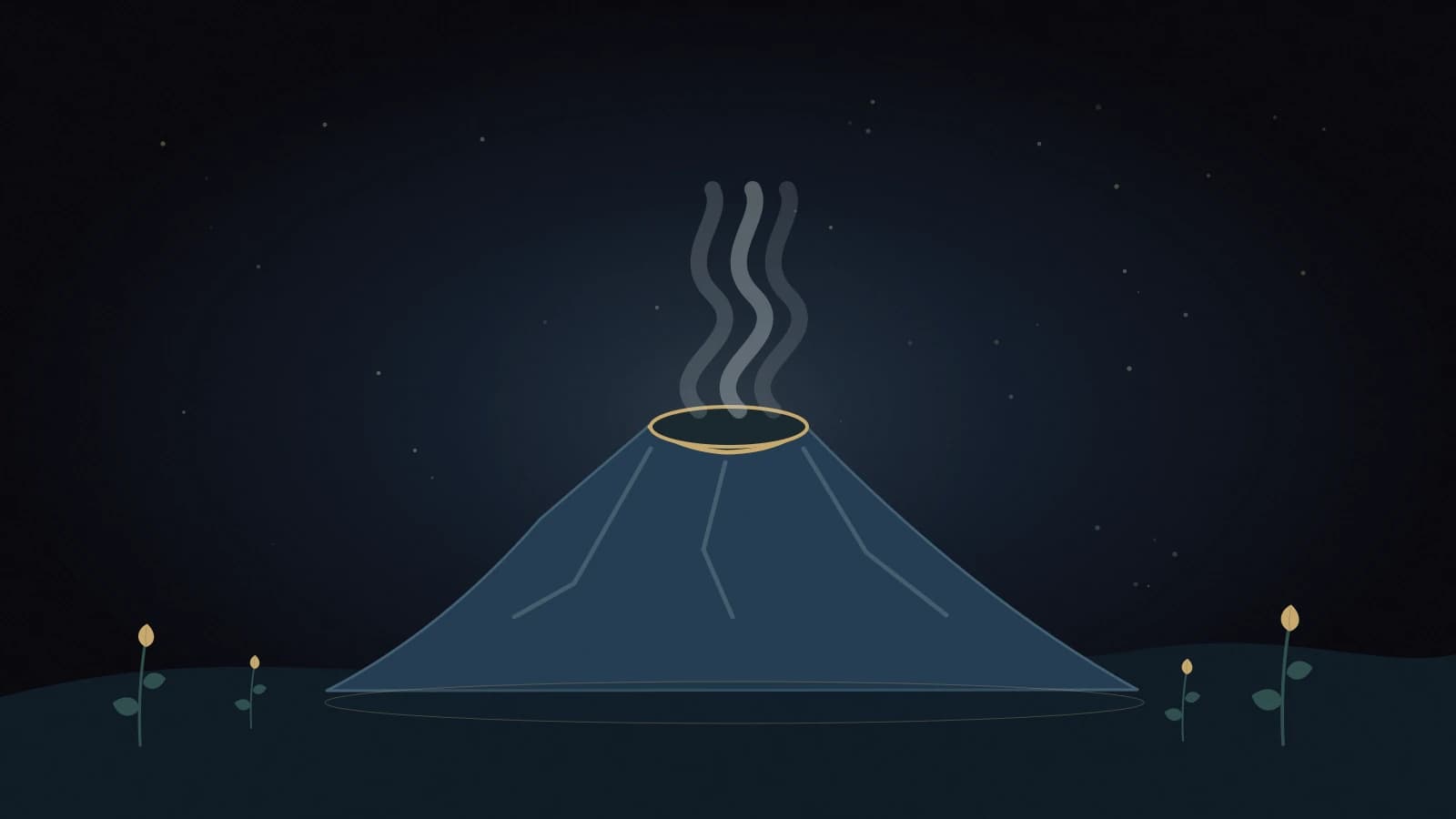
About Anger Volcano
Anger Volcano is an emotional awareness game that teaches players to notice a trigger, recognise possible body clues, and choose a safe response to anger. Its volcano metaphor makes the sequence visible without requiring a child to explain everything at once. Anger is a feeling, not proof of bad character. What matters is how the situation is handled and who can help.
Practise with a small, manageable frustration at a settled time before trying the sequence in a harder moment. The aim is not to make anger disappear on command or release it through aggression. A safe pause can be followed by a boundary, a request, a repair, or adult support. The cooling animation is part of the game, not a timer for how long a real person should feel upset.
How to play Anger Volcano
Choose an ordinary trigger you are comfortable considering, such as a game not going as expected. Describe what happened without blaming yourself for having a feeling. You can use an imaginary example. Do not revisit a frightening event or disclose a personal conflict just to make the round more realistic.
Notice whether there is an available body clue, such as tight hands, a warm face, or a restless urge to move. You may notice a thought instead, and you may notice very little. Do not assume that every person feels anger in the same place or that a body sensation proves anger.
Choose a safe cool-down option that suits the moment. You might pause, loosen comfortable muscle effort, or try an easy breath without forcing it. The activity should not involve hitting, frightening someone, or damaging things. Stop or choose another approach when the suggested option feels uncomfortable or increases distress.
After the pause, consider the next real-world action. State a boundary, ask for help, explain a need, or make a repair where you caused harm. The problem may remain even when the animation cools. A child should not be expected to handle threats, bullying, or unsafe behaviour without responsible adult support.
Benefits of practising with Anger Volcano
- A usable sequence: Moving from trigger to clue to choice gives families more specific language than a demand to calm down without explanation.
- Separating feeling and action: The volcano story allows anger to be acknowledged while keeping clear boundaries around harming people, oneself, or property.
- Individual body vocabulary: Noticing personal clues invites description without assuming that a warm face, clenched hand, or fast movement means the same thing for everyone.
- A pause before a response: Rehearsing a safe interruption at a settled time provides an example to discuss later without claiming it will work automatically.
- Returning to the issue: Ending with a boundary, request, or repair keeps emotional practice connected to the situation that needs attention rather than hiding it.
Who this game may suit
- Children aged six and above exploring ordinary frustration with a supportive adult.
- Teens who want practical language for requesting space before continuing a difficult conversation.
- Adults rehearsing how to separate a strong feeling from a harmful response.
- Families prepared to combine empathy with consistent, appropriate boundaries and real support.
- Educators discussing fictional conflicts rather than requiring public accounts of personal incidents.
Variations and adaptations
Younger children
Use a pretend volcano and a small fictional frustration, such as a tower falling down. Ask which safe option the character could choose, and practise asking an adult for help. Keep the body-clue question optional. Do not encourage a dramatic eruption or ask the child to show how angry they can become. The activity is a rehearsal, not a provocation.
Teens and adults
Connect a familiar trigger with one safe phrase, such as "I need a pause before answering." Consider how to return to the conversation when appropriate rather than using a break to avoid it indefinitely. Focus on boundaries and choices you can actually make. Do not use the game to excuse intimidation, demand forgiveness, or diagnose another person's emotional response.
Classroom or group
Discuss an invented conflict and identify several safe options. Keep real incidents and student names out of the demonstration. Explain how to request adult support and where a voluntary quiet space is available. Avoid public anger ratings or making a student play after a disagreement as a consequence. The lesson should teach choices, not label one child as the class volcano.
For parents and teachers
Offer the game during a calm practice moment and say, "Anger is allowed; hurting people is not." Stay available to help rather than sending an upset child away to fix themselves. Avoid "Your volcano should be cool by now" or promises about a fixed number of seconds. Never use the game as punishment or require completion before comfort, food, water, or a needed break. Keep everyone safe first during an intense situation. Afterwards, listen to what happened and help with boundaries or repair. Frequent, severe, or unsafe anger deserves appropriate professional support, not a higher game score or more repetitions.
Why this approach is used
The educational sequence is to name a situation, notice an experience, and consider a safe response. Research on affect labelling, including Lieberman and colleagues' laboratory study, provides limited background for the naming step. It does not establish that this game shortens anger, that anger always ends after ninety seconds, or that releasing aggression is helpful. No such claims are made here. A cooling volcano is a metaphor rather than a measurement of hormones or emotional regulation. The important distinction is between allowing a feeling and choosing behaviour that respects safety, boundaries, and the need for support.
Research
- Lieberman, M. D., Eisenberger, N. I., Crockett, M. J., Tom, S. M., Pfeifer, J. H., and Way, B. M. (2007). Putting feelings into words: affect labeling disrupts amygdala activity in response to affective stimuli. Psychological Science.
These sources concern the underlying technique or a related programme, not a direct evaluation of this game.
Read our related guide for Anger Volcano.
Frequently asked questions
What age is Anger Volcano suitable for?
Anger Volcano is recommended for ages 6+. The interface offers Little (5-8), Older (9-12), and Teen+ modes. These controls change presentation; they do not override the guidance for this particular game. Younger players should have a parent or teacher nearby.
What does Anger Volcano teach?
It practises recognising anger and choosing safe responses. It is especially suited to rehearsing safe choices around ordinary frustration. Use a short round without pressure, then discuss what was noticed rather than treating completion as a measure of personal progress.
Is Anger Volcano free, and do I need to download anything?
Yes, it is free to play in your browser. There is no app to download. It works on phones, tablets and computers; use a modern browser and turn on the optional voice guide or sound in the game settings if you wish.
Can it replace therapy or medical care?
No. Mindfulness games are a supportive everyday practice, not a treatment. If a child or adult is struggling with ongoing anxiety, low mood, anger or sleep problems, speak with a doctor, counsellor or other qualified professional.
What happens if I am still angry when the volcano cools?
You can still be angry. The animation follows the game, not your body or circumstances. Stop and decide what support, space, boundary, or practical action is needed. An adult should not interpret the end of the sequence as the end of a child's concern. Real feelings do not have to match a visual timer.
Is releasing anger the same as hitting something or shouting?
Not in this guide. Releasing steam is a visual metaphor for trying a safe pause, not a recommendation to act aggressively. Choose an option that does not harm or frighten anyone. When there is an immediate safety concern, responsible adults should address that first. Later, the game can support a conversation about a safer response and any repair that is needed.