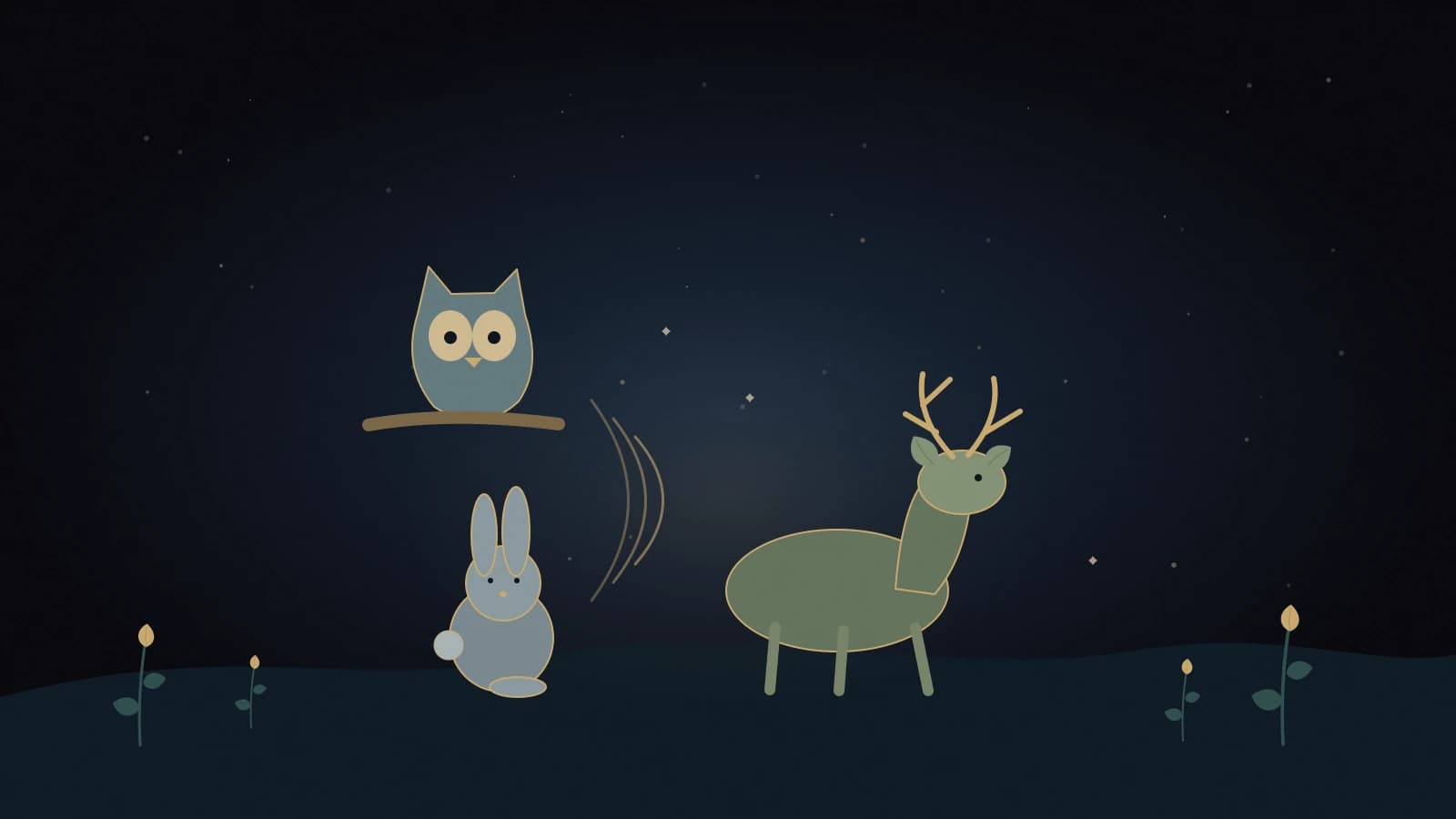
About Sound Safari
Sound Safari is a mindful listening game that teaches players to notice qualities of sound and return attention when it wanders. Its nature-themed adventure offers a different starting point from watching a visual guide or following the breath. You can listen for a sound's beginning, ending, rhythm, or apparent distance without needing to identify exactly what produced it.
Begin at a comfortable volume and choose whether you want sound at all. A real room can provide an alternative listening space, while a visual noticing activity may suit someone who cannot or does not wish to use audio. The aim is attentive exploration, not a hearing test. Missing a sound or needing a quieter setting does not mean you have played badly.
How to play Sound Safari
Check the sound setting before starting and keep the volume comfortably low. Headphones are optional, not a requirement for better attention. Choose a place where you can still respond to important sounds around you. When audio is unavailable or unwelcome, use the visual scene or a suitable alternative activity.
Listen for one available sound and describe a feature rather than rushing to name its source. It might be soft, repeated, brief, or fading. You can notice an uncertain sound without deciding which animal or natural event it represents. Let the listening remain curious rather than a guessing competition.
Notice when another sound or thought draws your attention away. Return to the chosen sound when you are ready, or deliberately widen attention to the whole soundscape. Neither approach requires perfect concentration. Avoid turning the volume up to chase a faint detail or to block out every sound in the room.
Finish by listening to the actual space around you for a brief moment. Notice one ordinary sound, then choose your next activity. Ask whether the experience was comfortable rather than how many sounds you detected. You can stop earlier if the audio becomes irritating, tiring, startling, or otherwise unpleasant.
Benefits of practising with Sound Safari
- Sound description: Noticing rhythm, length, and intensity offers a practical vocabulary beyond simply identifying the source of a sound or getting an answer right.
- A different attention anchor: Listening provides an option for players who prefer an outward sound to breath instructions, while remaining voluntary and comfort-led.
- Returning without self-criticism: A missed sound can become a chance to listen again rather than evidence that a player has poor attention or hearing.
- Awareness of preferences: Choosing volume and duration makes room to notice which sound environments feel comfortable and which ones call for a different activity.
- An offline connection: Listening to an ordinary room after the game links the practice to daily surroundings rather than making nature audio a requirement.
Who this game may suit
- Children aged five and above who enjoy exploring sound with an attentive adult.
- Teens looking for an optional listening break between reading or study tasks.
- Adults interested in noticing sound without a long spoken meditation sequence.
- Families able to adjust volume and stop without treating sensitivity as misbehaviour.
- Educators prepared to provide an equally valued visual alternative to listening.
Variations and adaptations
Younger children
Choose one gentle sound and ask whether it seems long or short, close or far. Let the child respond with a gesture or drawing. Avoid surprise noises and do not ask them to close their eyes to make the game harder. A familiar room sound may be more comfortable than an unfamiliar nature sound. End after a small amount of enjoyable exploration.
Teens and adults
Listen without trying to turn the soundscape into a productivity tool. Notice a sound's beginning and ending, then identify the task you will return to. When audio makes concentration harder, respect that information and choose another anchor. You can do the same noticing exercise with a familiar environmental sound without needing a recording or headphones.
Classroom or group
Explain that the activity is about attention, not hearing ability. Check volume with the group and provide advance notice before audio begins. Offer visual observation or silent reading as equal alternatives. Do not grade sound identification, require headphones, or make learners disclose hearing differences. Discuss the qualities of sounds rather than who detected the quietest one.
For parents and teachers
Try Sound Safari when the child is interested in listening, and ask about volume before beginning. Say, "Tell me if any sound is too much; we can change the activity." Avoid praising someone for tolerating uncomfortable audio or suggesting they should listen harder. Never use the game as punishment for noise, restlessness, or distraction. Stop when the experience becomes unpleasant. Keep expectations separate from hearing ability, and do not interpret a missed sound as a learning or attention problem. For persistent concerns about hearing or sound sensitivity, seek appropriate professional advice rather than using a game score or repeated rounds as an assessment.
Why this approach is used
Gould van Praag and colleagues compared responses to naturalistic and artificial soundscapes in a small adult laboratory study. The work examined attention, brain connectivity, and physiological measures, with responses varying across conditions and individuals. It did not evaluate Sound Safari, demonstrate hearing improvement, or establish benefits for children from brief game sessions. The research is relevant background for exploring sound environments, not a promise that nature audio always relaxes people. The direct learning task here is to notice sound qualities, make a comfortable choice about listening, and return attention without turning the experience into a test.
Research
- Gould van Praag, C. D., Garfinkel, S. N., Sparasci, O., et al. (2017). Mind-wandering and alterations to default mode network connectivity when listening to naturalistic versus artificial sounds. Scientific Reports.
These sources concern the underlying technique or a related programme, not a direct evaluation of this game.
Read our related guide for Sound Safari.
Frequently asked questions
What age is Sound Safari suitable for?
Sound Safari is recommended for ages 5+. The interface offers Little (5-8), Older (9-12), and Teen+ modes. These controls change presentation; they do not override the guidance for this particular game. Younger players should have a parent or teacher nearby.
What does Sound Safari teach?
It practises mindful listening. It is especially suited to exploring listening as an anchor for attention. Use a short round without pressure, then discuss what was noticed rather than treating completion as a measure of personal progress.
Is Sound Safari free, and do I need to download anything?
Yes, it is free to play in your browser. There is no app to download. It works on phones, tablets and computers; use a modern browser and turn on the optional voice guide or sound in the game settings if you wish.
Can it replace therapy or medical care?
No. Mindfulness games are a supportive everyday practice, not a treatment. If a child or adult is struggling with ongoing anxiety, low mood, anger or sleep problems, speak with a doctor, counsellor or other qualified professional.
What can I do when I cannot hear the game sounds?
Check the device volume and the game's audio setting without raising the sound sharply. Browser audio may also need a deliberate tap to begin. You can use a familiar room sound or choose a visual noticing activity instead. This game is not a hearing assessment, and an audio problem should not be treated as a failure of attention.
Do I need headphones or closed eyes?
No. Headphones and closed eyes are not requirements. Use the setup that feels comfortable and lets you remain aware of your surroundings. Keep volume modest, avoid using the game where you must monitor traffic or other hazards, and stop when listening becomes unpleasant. A short, eyes-open exploration can be enough.